12V LiFePO4 Batteries
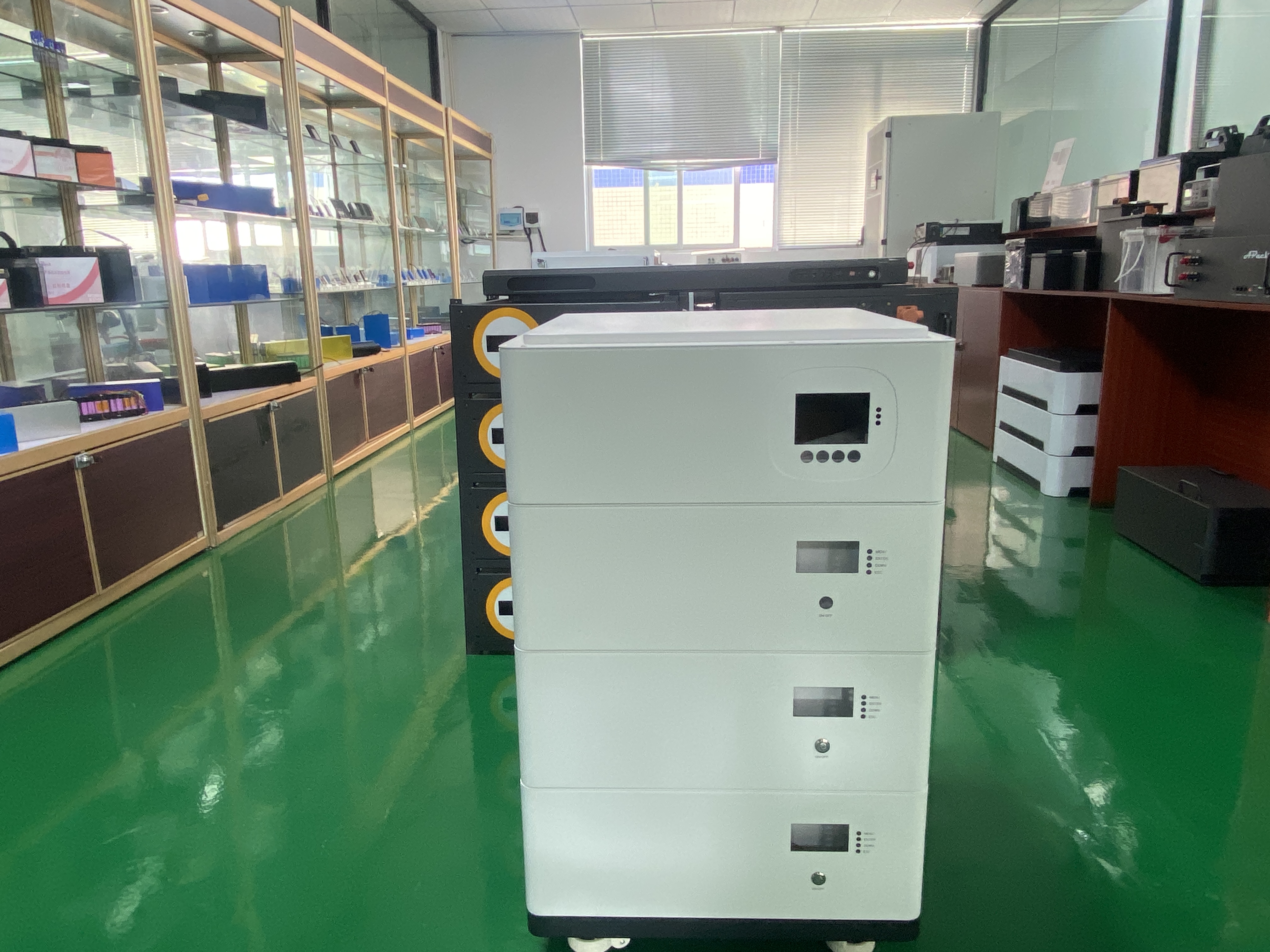
The 12V LiFePO4 series at a glance
If you are sourcing a lithium battery pack 12v for a device or system, start with the load profile and the space available. The 12V LiFePO4 series covers energy storage, backup power, golf carts and similar cyclic duty, and the documented models give you fixed reference points for voltage, capacity and case size before a specification is written.
The series is built around a nominal 12.8V platform with an operating voltage of 10–14.6V. Documented models include a 100Ah unit in a PVC case measuring 307x169x208mm, a 120Ah class, a 200Ah class measuring 522x240x218mm, plus a small 6Ah model and larger classes in the datasheet series. A lithium ion battery pack 12v 100ah is the common entry point for backup and storage builds, while the larger classes suit longer runtime or higher cyclic throughput.
Every model in the series is a custom-configurable platform, not a fixed catalogue item. Series and parallel arrangement, case format and termination are agreed against your current profile and the physical envelope of the installation. Browse the full range of LiFePO4 batteries to compare the platform against other voltage classes before you commit to a 12V design.
PVC case vs steel case models
The 12V series is documented in both PVC-case and steel-case versions across models. PVC cases suit installations where weight and cost matter and the pack sits in a protected enclosure. Steel cases suit installations where the pack is exposed to handling, vibration or mechanical contact, and the metal shell takes the abuse instead of the cells.
The case of a specific model is confirmed from its datasheet, not assumed from the series name. A 100Ah PVC unit and a 100Ah steel unit share a voltage class and capacity class but differ in shell, weight and mounting behaviour. Tell us the model you are buying and we will confirm which case version applies and what the datasheet states for that unit.
Case choice also affects how the pack integrates with your enclosure. Steel-case models typically need different mounting points and clearance than PVC units, and the terminal layout can differ between the two. Confirm the mechanical drawing for the exact model before you finalise the bracket or tray design, so the pack drops into the space you have already allocated.
For storage and backup builds, the 12V 100Ah LiFePO4 battery is the usual starting point. For longer runtime or higher cyclic duty, the 12V 200Ah LiFePO4 battery sits at the larger end of the documented range. Both are available in the case versions documented for their model, and both are specified against your load profile rather than sold as fixed stock items.
Discharge rates and operating windows
The datasheet models carry a standard discharge of 0.5C and a maximum of 1.0C. Standard discharge is the continuous rating you design around for normal duty; maximum discharge is the ceiling for short peaks. Size the pack so your continuous load sits at or below the standard rate, and reserve the maximum rate for intermittent demand rather than steady-state operation.
The operating voltage window is 10–14.6V, with a nominal 12.8V platform. Your device's input range must sit inside that window, including the low-voltage cutoff and the top-of-charge voltage. If your equipment expects a narrower band, the BMS configuration and the charge profile are agreed in the project specification so the pack delivers the voltage your electronics actually see.
Discharge rate, capacity and case format interact. A higher continuous load pulls the pack toward the larger classes, which changes the physical envelope and the mounting arrangement. Bring your current profile, peak duration and duty cycle to the specification stage, and the series and parallel count is set against real numbers rather than a nameplate capacity alone. Options are confirmed in the project specification; not every model carries every option.
Where the 12V series is used
Energy storage and backup power are the core duties. A 12V pack pairs with inverters, telecom backup, security systems and off-grid storage where a 12.8V nominal platform matches the equipment input. Cyclic duty is where LiFePO4 earns its place: repeated charge and discharge without the maintenance overhead of lead-acid equivalents.
Golf carts and similar cyclic duty are a documented application. The 12V series serves carts and small electric vehicles where the pack is discharged and recharged on a daily pattern. For cart-specific requirements, see golf cart batteries and match the pack class to the cart's motor and runtime demand rather than to a generic capacity figure.
Backup power, energy storage and traction duty each stress the pack differently. Backup duty is mostly float with occasional discharge; storage cycles daily; traction combines vibration with cyclic load. Tell us which duty applies, and the case version, discharge rating and BMS settings follow from that duty rather than from a default configuration.
Compliance documents
UN38.3, IEC 62133 and MSDS documents can be confirmed and provided for specific models. Tell us the model you are buying and we will confirm which documents cover it. Documentation is model-specific, so confirm the exact unit before you file transport or safety paperwork, and request the document set with the model reference attached.
Frequently Asked Questions
What capacities does the 12V LiFePO4 series cover?
The documented models include a 100Ah unit, a 120Ah class, a 200Ah class, a small 6Ah model and larger classes in the datasheet series. The 100Ah model is specified at a nominal 12.8V with an operating voltage of 10–14.6V. Capacity class is matched to your runtime and cyclic duty during specification, and the case version for each model is confirmed from its datasheet.
Are PVC and steel case versions both available?
Yes. The series is documented in both PVC-case and steel-case versions across models. The case of a specific model is confirmed from its datasheet. PVC cases suit protected enclosures where weight and cost matter; steel cases suit handling, vibration or mechanical contact. Confirm the mechanical drawing for the exact model before finalising your mounting design.
To discuss a 12V pack against your load profile, ask about 12V LiFePO4 and include your current profile, duty cycle and the space available for the pack.
Tell us about your battery project
Send your device requirements — voltage, capacity, current, space and quantity — and our engineering team will evaluate cell selection, configuration and battery management against them.