21700 Battery Packs
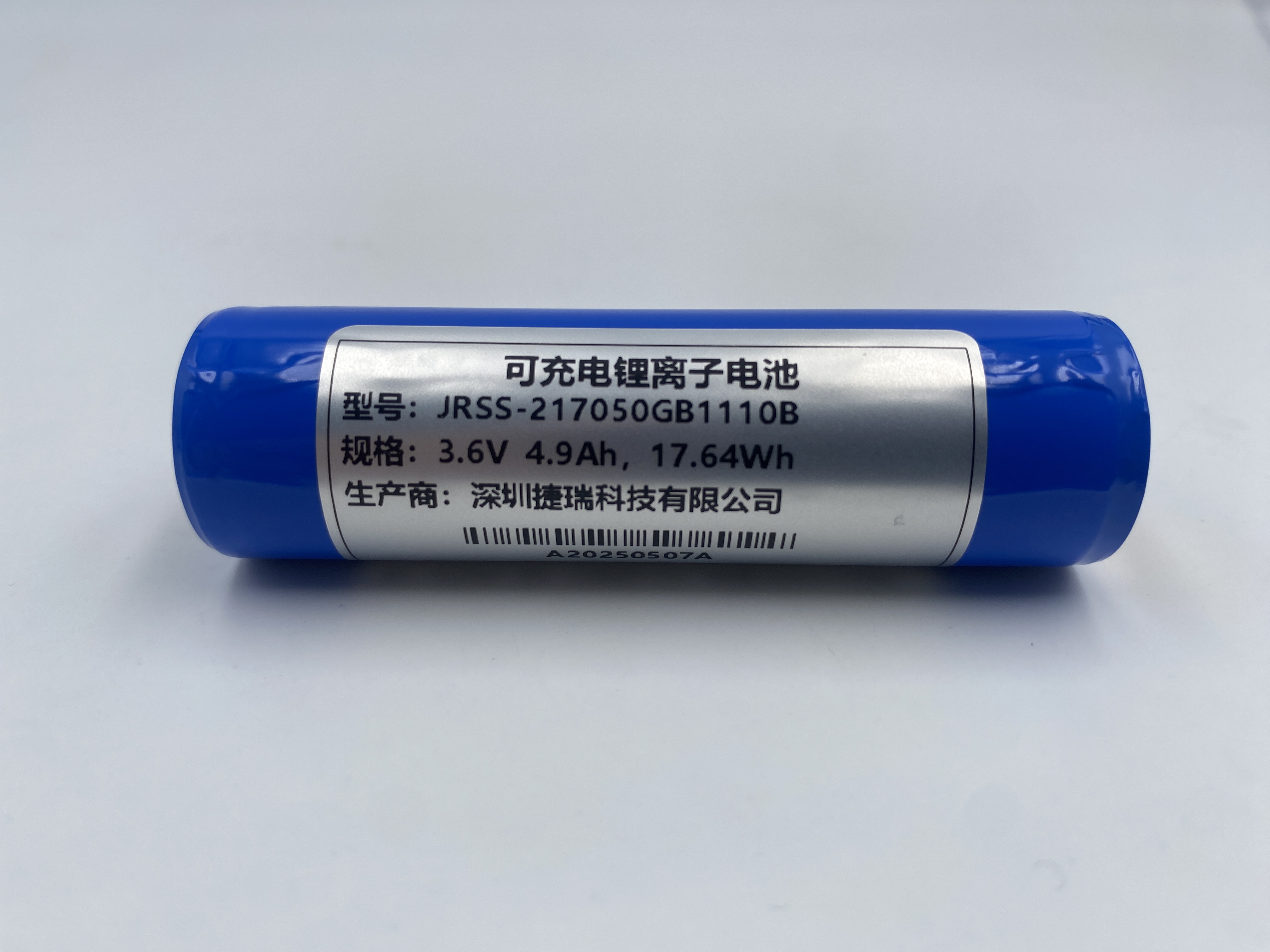
21700 vs 18650: capacity per cell, size and cell count
The 21700 format exists to solve a straightforward problem: fitting more energy into a pack without adding cells. A 21700 cell carries more capacity per cell than an 18650, so for the same total energy a pack built from 21700 cells needs fewer cells. Fewer cells means fewer interconnects, fewer balance points and a simpler assembly. The trade-off is diameter — a 21700 cell is wider than an 18650, so the holder, spacing and enclosure grow in the transverse direction even as cell count falls.
Whether that trade suits your device depends on which dimension is tight. If your housing has spare width but limited length, 21700 cells can raise capacity in the same footprint. If the pack sits in a slim handle or a narrow cavity, the larger diameter may rule the format out before capacity is even discussed. Send the space drawing and the current profile, and the comparison is worked against your device rather than in the abstract. If the existing design is already built around the smaller format, our 18650 battery packs page covers that route, and neither format is treated as the default answer.
Cell count also changes what the pack looks like mechanically. A lower cell count concentrates heat in fewer cans, so spacing and thermal path deserve attention early. Series count sets voltage, parallel count sets capacity, and both are checked against your cut-offs before a configuration is proposed.
Documented 21700 packs in the range
Two 21700 designs are documented in the specification library, and they show the range from a single cell to an industrial multi-cell pack.
The first is a 3.6V 5.0Ah 1S1P button-top pack built on the Samsung INR21700 cell. Typical capacity is 5.0Ah with a 4.9Ah minimum, weight is about 80g, charge cut-off is 4.2V and discharge cut-off is 2.5V. The button-top terminal suits devices that expect a contact-style positive end rather than a flat-top cell, and the single-cell configuration keeps the assembly simple. This is the model to look at when your device runs on one lithium cell and you want the 21700 capacity in a drop-in outline — see the 3.6V 5.0Ah 21700 pack page for the full model details.
The second is an 11.1V 15Ah 21700 3S3P industrial design, also held in the specification library. Three cells in series set the voltage class, three in parallel set the capacity, and the result is a pack aimed at equipment that draws more power than a single cell can deliver. The 3S3P arrangement is documented as a design; the enclosure, connector and lead set are agreed per project.
Configurations beyond these two documented examples are evaluated per project. That covers different series and parallel counts, flat-top versus button-top builds, and packs that combine 21700 cells with a specific connector or cable assembly. The 1S1P model phrase — 3.6v 5.0ah 21700 1s1p battery pack — is the documented single-cell case, not a limit on what can be quoted.
Protection, leads and enclosure options
A 21700 pack is more than cells and a wrap. The protection circuit is specified against your charger and load: overcharge, over-discharge and over-current thresholds are set to match the cut-offs in your device, not copied from a generic board. For the single-cell button-top design the protection sits in the same outline as the cell; for a 3S3P pack the board carries the series string and the balance behaviour that comes with it.
Leads and connectors are chosen from the project specification. Wire gauge follows the current the pack will actually see, lead length follows the space between pack and board, and the connector is matched to what your device already uses so the pack does not force a harness change. Where a pack needs a temperature signal, a thermistor is placed against the cells and wired into the same lead set.
Enclosure options run from a simple shrink-wrap with end caps to a hard case with mounting points, depending on how the pack is retained and what the surrounding equipment expects. The 21700 diameter fixes the minimum internal width, so the enclosure is drawn around the cell holder rather than around the cells alone. Options are confirmed in the project specification; not every model carries every option.
Because the 21700 format is often chosen for higher-energy devices, the pack may also need a full documentation set for transport. UN38.3, IEC 62133 and MSDS documents can be confirmed and provided for specific models — tell us the model you are buying and we will confirm which documents cover it. The same applies when you move from a single-cell build to a multi-cell custom lithium ion packs design: the tests follow the model, not the format.
If your device is already specified and you want the 21700 format costed against it, quote a 21700 pack with the space drawing, the current profile and the target capacity, and the configuration is checked against the documented designs above.
Frequently Asked Questions
Why choose 21700 cells over 18650 for our pack?
A 21700 cell carries more capacity per cell than an 18650, so a pack needs fewer cells for the same energy. That reduces interconnects, balance points and assembly complexity. The trade-off is a larger cell diameter, which matters if your housing is narrow. The choice is made against your space and current profile, not by format alone.
What capacities are available in 21700 format?
Two designs are documented: a 3.6V 5.0Ah 1S1P button-top pack on the Samsung INR21700 cell, with 5.0Ah typical and 4.9Ah minimum capacity, about 80g weight, 4.2V charge cut-off and 2.5V discharge cut-off; and an 11.1V 15Ah 21700 3S3P industrial design. Configurations beyond these are evaluated per project against your requirements.
Tell us about your battery project
Send your device requirements — voltage, capacity, current, space and quantity — and our engineering team will evaluate cell selection, configuration and battery management against them.