24V Lithium Battery Packs
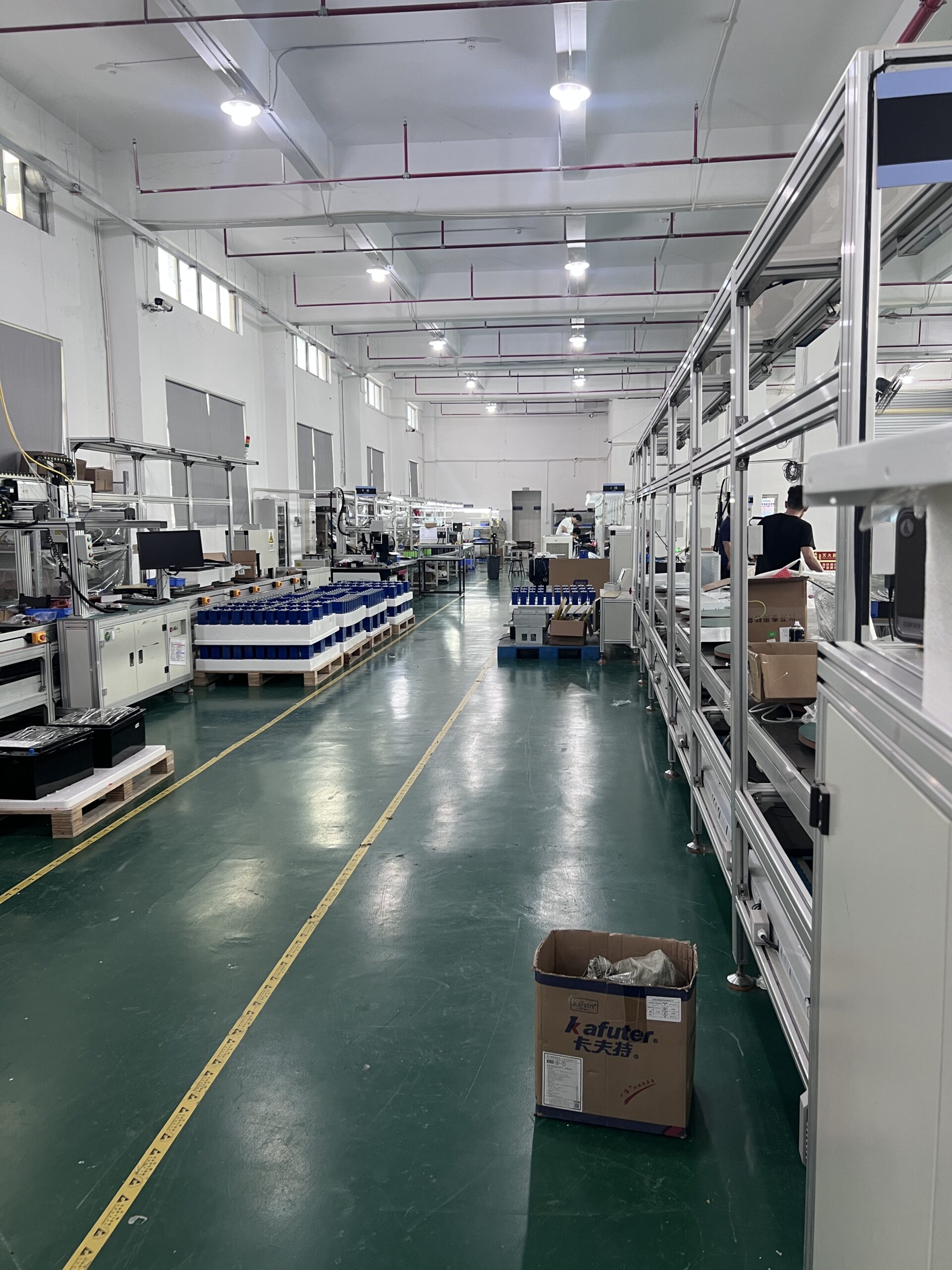
The documented 24V range: LiFePO4 units and 7S equipment packs
A 24V lithium battery pack is specified from your device's voltage window, current profile and enclosure space, not selected from a list. Our documented 24V range currently covers two build routes: LiFePO4 units and 7S-class lithium-ion equipment packs. Both are built to order, and the specification for each project is written against the equipment it will power.
The LiFePO4 side of the range includes a 100Ah steel-case unit with an operating voltage of 20–29.2V and a case size of 436x230x159mm. The same chemistry is also available in 200Ah units in PVC and steel cases. These units suit equipment that needs a stable, lower-voltage pack with the flat discharge profile LiFePO4 is known for, and the case format is chosen around how the pack mounts in the machine.
The lithium-ion side covers 7S-class equipment packs, assembled from 18650 or 21700 cells. A 7S configuration sets the nominal voltage class, and the cell format, capacity and mechanical layout are defined by the device. If your equipment was designed around a 7S lithium-ion pack, this route lets the pack follow the shape and connector position the machine already expects. If you are weighing 24V against other voltage classes, our 12V lithium packs and 48V lithium packs pages show how the same build logic scales across the range.
Steel case vs PVC case at 24V
The choice between steel and PVC at 24V is a mechanical and environmental decision before it is an electrical one. A steel case gives the pack a rigid structure, which matters when the battery sits in a metal tray, is clamped into a frame, or shares a compartment with other hardware. The 100Ah LiFePO4 unit uses a steel case; the 200Ah units are offered in both PVC and steel.
A PVC case wraps the cell stack in a lighter, electrically insulating shell. It suits equipment where the pack is carried, slid into a molded recess, or where weight and cost are tighter constraints than rigidity. PVC also simplifies isolation from surrounding metalwork, since the outer surface is not conductive.
Case selection is confirmed per project alongside the BMS, terminal type and cable exit. A pack that fits the compartment but cannot be secured, or that traps heat because the case leaves no clearance, will fail in the field regardless of its cell quality. Send the mounting arrangement and the space around the pack, and the case format is fixed in the specification before production.
Parallel combinations — what must be confirmed
Running 24V packs in parallel increases capacity while the voltage class stays the same. Whether a given model can be paralleled depends on the model and its BMS, and is confirmed per model — the BMS must be designed to manage the shared current between packs, including what happens when one pack is connected at a different state of charge.
Parallel use is therefore not a generic feature of the range. It is a specification item, decided for the model you are buying and the way your system connects and disconnects the packs. Tell us how many packs you intend to run together, how they are wired, and how the system isolates a pack for service, and we will confirm whether the BMS in that model supports the arrangement. If you are still choosing a voltage class, the same question applies to 12V lithium packs and 48V lithium packs and is answered the same way, model by model.
Documentation follows the same rule. UN38.3, IEC 62133 and MSDS documents can be confirmed and provided for specific models — tell us the model you are buying and we will confirm which documents cover it. To take a 24V specification forward, ask about 24V packs and include your device's voltage window, current profile and available space. For the 100Ah LiFePO4 unit specifically, see the 24V 100Ah LiFePO4 battery page for its documented configuration, and our 24V 100Ah LiFePO4 battery specification is the reference point when that case size and voltage window match your equipment.
Frequently Asked Questions
What capacities does the 24V series cover?
The documented 24V range includes a LiFePO4 100Ah steel-case unit with an operating voltage of 20–29.2V and a case size of 436x230x159mm, and 200Ah units in PVC and steel cases. Lithium-ion 7S-class equipment packs are built to order from 18650 or 21700 cells, with capacity set by the device. Capacity outside these documented units is quoted per project once the current profile and space are known.
Can 24V packs be paralleled for more capacity?
Parallel use depends on the model and its BMS and is confirmed per model. The BMS must manage shared current between packs and the conditions under which packs are connected and disconnected. Tell us how many packs you plan to run together, how they are wired and how a pack is isolated for service, and we will confirm whether that model supports the arrangement.
Tell us about your battery project
Send your device requirements — voltage, capacity, current, space and quantity — and our engineering team will evaluate cell selection, configuration and battery management against them.