Battery Packs for Light Electric Vehicles
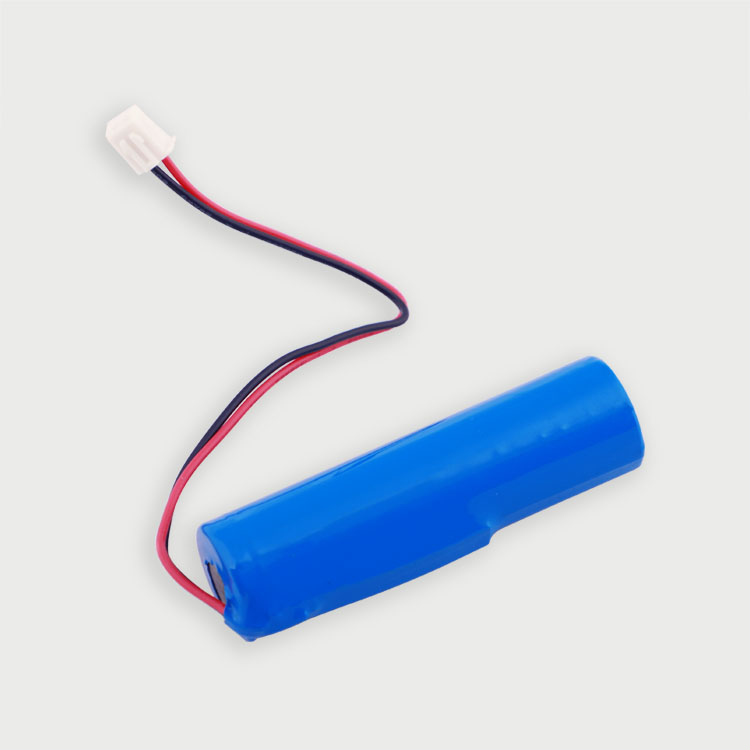
Light EV pack classes: 36V (10S) and 48V (13S/14S)
Light electric vehicles sit between consumer electronics and full-size EVs, and the pack has to match that position: enough energy for real trips, small enough to fit a compact frame or deck, and built to survive vibration and repeated charging. The two classes that cover most LEV work are 36V packs built on a 10S series count and 48V-class packs built on 13S or 14S. Series count sets voltage; parallel count sets capacity. A 10S pack lands at the 36V class, while 13S and 14S configurations land in the 48V class used across light EVs and carts.
The choice between them is not a preference. Controller input range, motor rating and the space available for the enclosure decide it. A 36V system keeps the cell count lower and suits lighter frames and lower-power drives. A 48V-class system carries more energy per amp drawn, which matters when the vehicle is heavier, carries cargo or climbs regularly. Both classes can be ordered as 36V lithium packs or 48V lithium packs in custom builds, with the cell format, BMS and enclosure confirmed against the vehicle rather than chosen from a list.
Documented e-bike reference designs
Two e-bike packs show how the configuration logic works in practice. The 36V 10S2P 4.4Ah pack is a compact reference: ten cells in series, two in parallel, sized for short-range assisted bikes and light frames where weight and enclosure volume are tight. The 36V 10S5P 12Ah pack uses the same 10S series count but a wider parallel group, which raises capacity in the same voltage class and suits riders who want longer assisted trips from one charge.
These are reference designs, not a fixed catalogue. They show what a 10S configuration can look like at two capacity points, and they give a starting frame for discussion: if your frame fits a 10S5P layout, the next questions are cell type, BMS current limit, discharge connector and how the pack is secured in the frame. The same logic applies to 48V-class work, where 13S and 14S configurations are matched to the controller and motor of light EVs and carts. Where a vehicle is closer to a cart platform than a bike, golf cart batteries built on 48V-class configurations follow the same series-and-parallel method.
Estimating range from watt-hours
Range is not a property of the pack alone. It depends on motor power, rider or load weight, terrain and assist level, so any single distance figure quoted without those inputs is unreliable. What the pack does fix is the energy available: watt-hours, calculated as voltage multiplied by amp-hours. A 36V 12Ah pack stores about 432 Wh. That figure is the ceiling your vehicle draws from, whatever the conditions.
To estimate range, start from consumption. If you know roughly how many watt-hours your vehicle uses per kilometre at a given assist level and load, divide the pack's watt-hours by that figure. The result is an estimate for those conditions only; change the terrain or the assist level and the consumption changes with it. This is why two riders on the same 36V 12Ah pack can see very different distances. Use the arithmetic to compare candidate packs on equal terms, then confirm the real figure on your own route with your own load.
Custom LEV pack builds
A custom EV battery pack starts from the vehicle: frame or deck space, controller input range, motor rating, connector type and how the pack is removed for charging. From those inputs the specification fixes the series and parallel count, the cell format, the BMS current limit and the enclosure. The 10S and 13S/14S classes are starting points; the final build is written per project.
Mechanical fit is checked as carefully as the electrical side. An LEV pack is exposed to vibration, repeated charge cycles and weather, so the enclosure, mounting points and strain relief on the output cable are part of the design, not accessories. Options such as charge port type, communication interface and mounting bracket are confirmed in the project specification; not every model carries every option.
The plant behind these builds is ISO 9001 and ISO 14001 certified and holds National High-Tech Enterprise status, with multiple utility model patents covering pack construction. Documentation for shipping and compliance, including UN38.3, IEC 62133 and MSDS, can be confirmed for specific models — tell us the model you are buying and we will confirm which documents cover it. To spec an LEV pack, send the vehicle details, target voltage class and space envelope, and the configuration will be worked out from there.
Frequently Asked Questions
Do you build 36V and 48V packs for e-bikes and light EVs?
Yes. Documented work covers 36V 10S packs, including the 10S2P 4.4Ah and 10S5P 12Ah e-bike reference designs, and 48V-class packs in 13S and 14S configurations for light EVs and carts. Each build is specified against your controller input range, motor rating and enclosure space, so the series and parallel count are confirmed per project rather than taken from a fixed list.
What range can a 36V 12Ah pack deliver?
There is no single figure, because range depends on motor power, rider or load weight, terrain and assist level. The pack stores about 432 Wh, which is the energy ceiling for the trip. To estimate distance, divide that watt-hours figure by your vehicle's consumption per kilometre under the conditions you ride in, then confirm the estimate on your own route with your own load.
Tell us about your battery project
Send your device requirements — voltage, capacity, current, space and quantity — and our engineering team will evaluate cell selection, configuration and battery management against them.